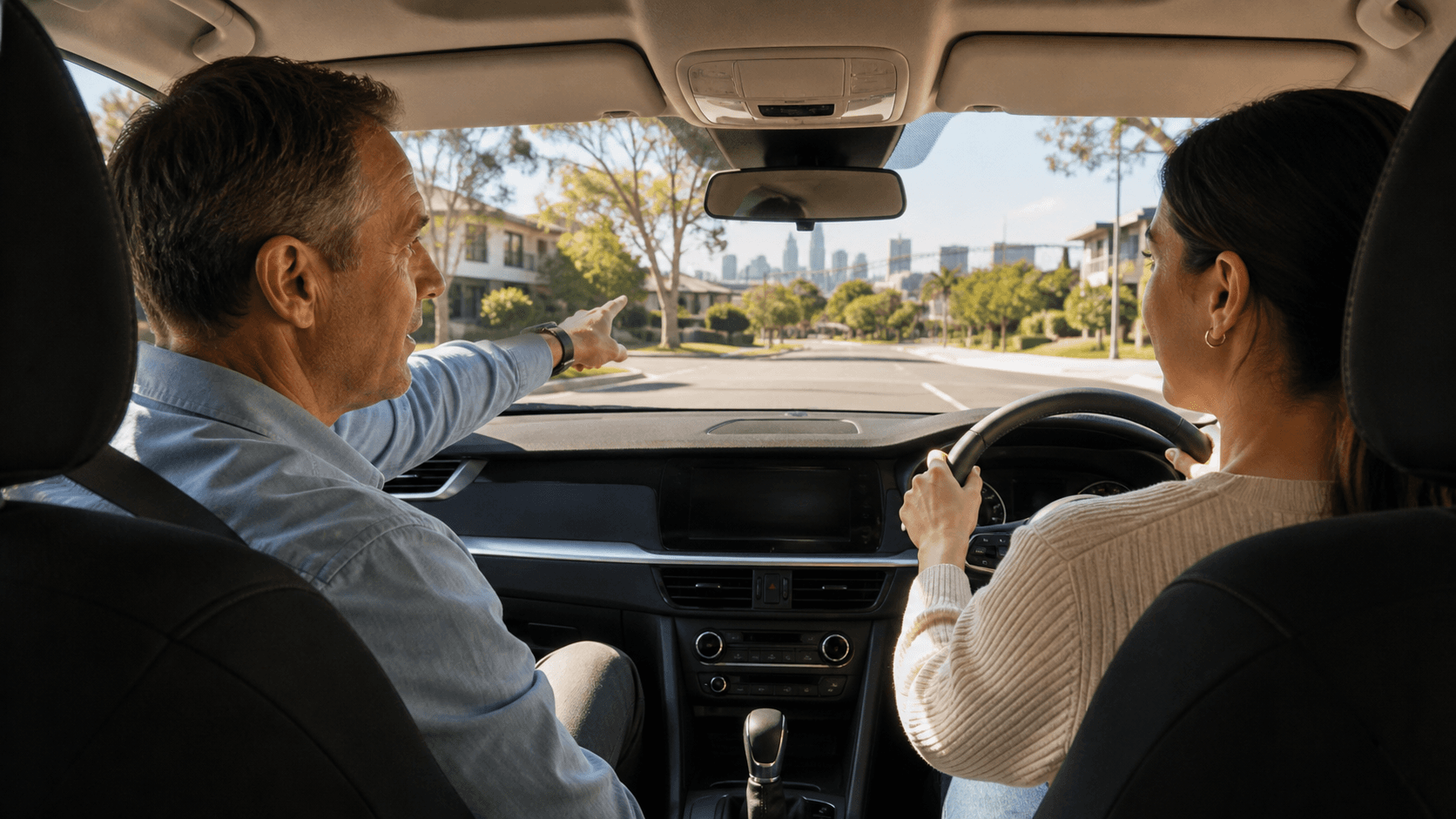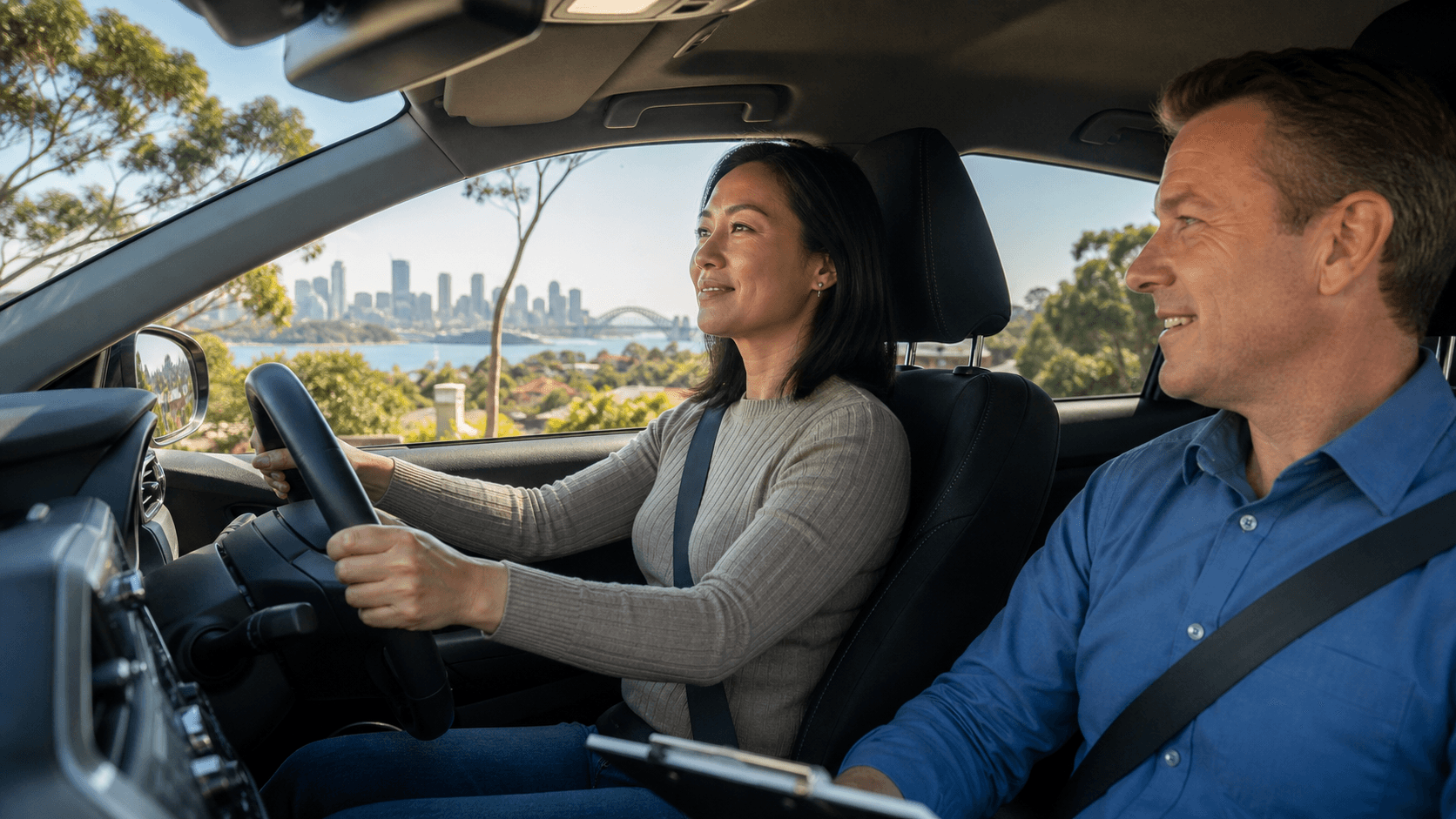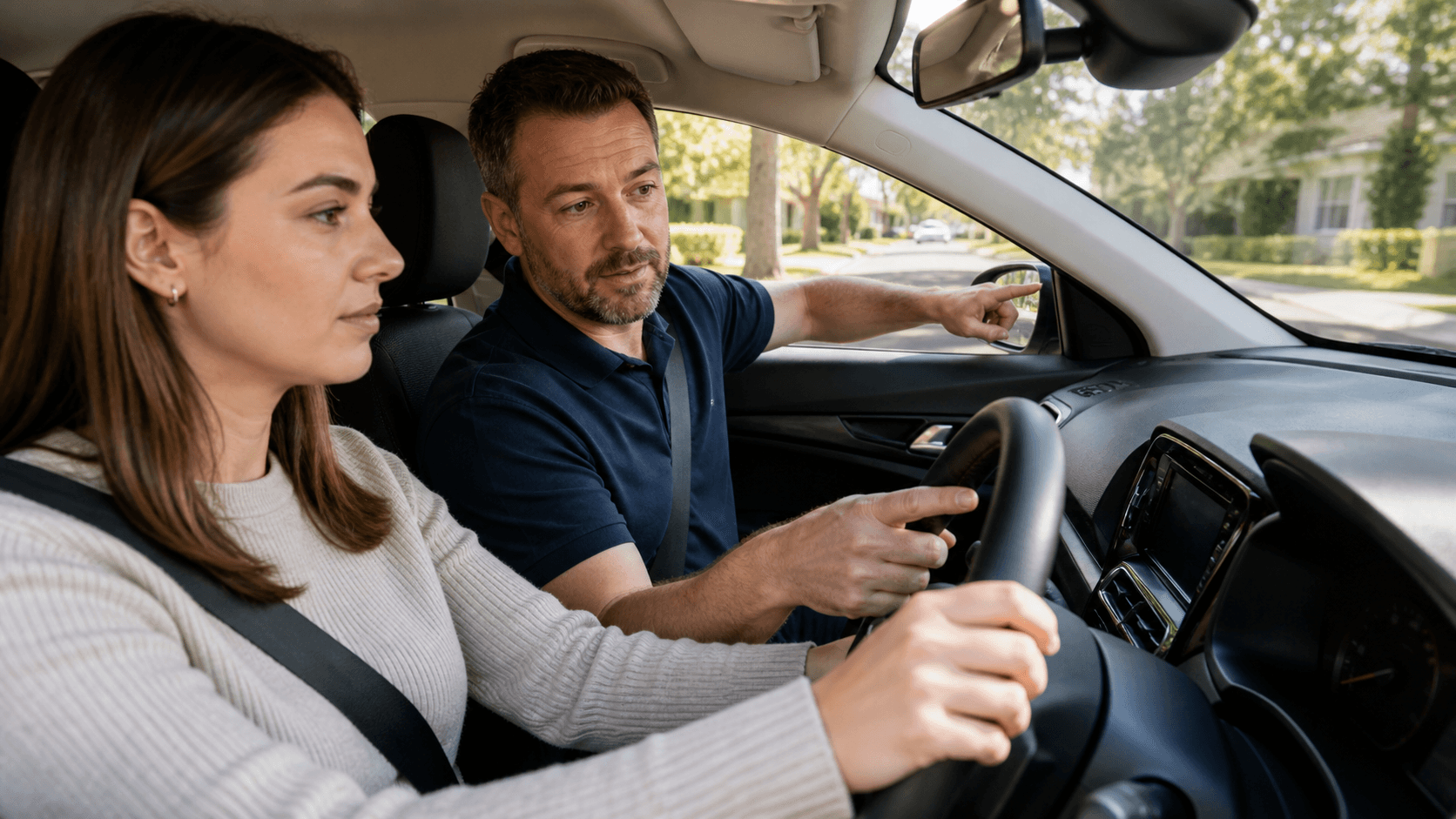
Stay Calm and Confident in Your First Lesson
Your first driving lesson in Sydney can feel like a big deal. There is traffic, busy school zones, tight streets, and a lot to take in at once. Feeling nervous is completely normal, and it does not mean you will be a bad driver. What matters is how you prepare and how you use that first hour in the car.
When you are a bit prepared, you learn faster, feel safer and get more value from your paid lesson time. You can focus on what your instructor is saying instead of worrying about small things you could have sorted earlier. We want to walk through the common mistakes many new learners make in their first driving lesson in Sydney, and how a professional instructor can help you skip those problems from day one.
Avoid Turning Up Unprepared and Rushed
One of the biggest early mistakes is starting the lesson stressed before you even touch the steering wheel.
Sydney traffic and parking can catch anyone out, especially if you are not used to planning for it. If you rush out the door and sit in heavy traffic, you arrive flustered and tense, which makes it harder to listen and stay calm.
A few simple habits help a lot:
- Plan your route to the pickup point
- Allow extra time for traffic and parking
- Keep your phone charged in case you are running a few minutes late
- Have a backup plan for public transport if needed
Another easy but common problem is forgetting key items. Turning up without your learner licence or your glasses means you may not be allowed to drive at all. Thongs, high heels and loose-fitting shoes can make it harder to control the pedals, so enclosed, flat shoes are generally the best choice for a driving lesson.If you are required to record supervised driving hours, forgetting your paper logbook—or not having the approved app ready—may prevent the lesson from being recorded correctly.
Try a quick checklist before every lesson:
- Learner licence
- Logbook or app ready
- Glasses or contacts if you need them
- Closed-in, flat shoes
- Comfortable clothing you can move in
The time of day also matters. Booking your very first driving lesson in Sydney right in the middle of peak hour can feel overwhelming. It is often better to start in a quieter time slot so you can ease into things without constant pressure from traffic behind you. In winter, it helps to think about daylight as well, so your first lessons are in good light rather than in dark or gloomy conditions.
Do Not Let Anxiety Take Over the Driver's Seat
Nerves are normal, but keeping them bottled up can make your first lesson a lot harder than it needs to be.
Many learners feel too shy to say they are scared of hills, roundabouts or multi-lane roads. They stay silent, nod along and then panic once they are out on the street. A better approach is to tell your instructor what you are worried about so the lesson can be paced properly for you.
Your instructor can:
- Start in quiet back streets before busier areas
- Spend extra time on the skills you find hardest
- Give you simple, clear steps instead of big chunks of information
Another mistake is trying to be perfect from the first minute. When learners overthink every move, their steering goes from side to side, they brake too hard and, in a manual, they may stall a lot. That is all part of learning, and it is okay.
We often focus on one skill at a time, such as:
- First, getting your seating and steering relaxed
- Then gentle braking and smooth acceleration
- Then adding mirrors and signals at low speed
Simple breathing can also help. Take slow breaths at stop signs or before you move off, and bring your eyes back to the road ahead rather than staring at one tiny spot. This is helpful on suburban streets and in shopping centre car parks where there is a lot going on.
It is also easy to compare yourself to friends. Someone might say they drove on the motorway in their first lesson, and you feel behind. Every learner is different, and instructors have to follow NSW safety and licensing standards, not peer pressure. In the long run, it is safer and smarter to master the basics before you move onto faster, busier roads.
Build Safe Habits, Not Bad Shortcuts
Good habits formed in your first few lessons often stay with you for life. One early mistake is skipping the setup of the seat, mirrors and steering and just wanting to drive straight away.
A proper setup helps you see clearly at intersections, roundabouts and pedestrian crossings, which are common around Sydney. Your instructor will guide you through a simple cockpit drill at the start of each lesson, until it becomes automatic.
This includes:
- Adjusting your seat so you can press pedals fully
- Setting your mirrors so you can see beside and behind the car
- Checking you can reach the steering wheel comfortably
Another common issue is poor observation. New drivers sometimes stare only at the road ahead, check mirrors too late or forget to look over their shoulder for blind spots. This is risky in areas with cyclists, buses and parked cars.
Getting head checks and mirror use right from the start:
- Helps you stay safe in real traffic
- Fits with NSW driving test criteria
- Makes lane changes and turns feel less scary
Signalling and road position also need attention. New learners often signal too late, drift in their lane or stick too close to the kerb. In narrow Sydney streets and crowded school zones, these habits can be dangerous. Calm, clear feedback from your instructor helps correct these things early, before they turn into long-term habits.
Understand Your Car and the Road Rules First
Another mistake is treating every car the same. Manual and automatic both need different skills. Manual learners have to think about clutch control, gear changes and hill starts, which can feel like a lot at once. Automatic learners still need to learn smooth braking, gentle acceleration and using the car's gears to stay in control on steep hills.
A good instructor will choose practice areas that match your current level, such as quiet back streets or gentle slopes, then slowly build up to trickier areas.
Guessing the NSW road rules is another trap. Many new drivers copy what they have seen other people do instead of what the rules actually say. This can cause problems with:
- The difference between stop and give way signs
- When and how to signal at roundabouts
- How school zone times work, especially on darker winter days
- When you can and cannot use bus lanes
If you take a little time to read through the NSW Road User Handbook before your first driving lesson in Sydney, the instructions you hear in the car will make more sense and feel less stressful.
Finally, it is worth thinking about weather and winter conditions. Wet roads, foggy mornings and glare from low winter sun all change how the car feels. In these conditions, you need more space from the car in front and smoother braking. Learning how to adjust to different conditions is a big part of safe driving and is also covered in structured programs like a Safer Drivers Course.
Make Your First Lesson Count with Professional Support
Your first lesson sets the tone for how you feel about driving. If you avoid common mistakes like arriving rushed, staying silent when you are unsure or skipping basic checks, you save time, protect your confidence and start building strong habits from day one. It is not about being perfect, it is about being prepared and open to learning.
With patient, local instructors and structured lessons, you can treat your first driving lesson in Sydney as the start of a clear plan, not just a one-off. At Prestige Driving School, we focus on safe, confident driving skills with automatic and manual lessons, Safer Drivers Courses and test packages across Sydney, the Central Coast, Newcastle and regional NSW with flexible options to suit your schedule and learning goals.
Start Your Sydney Driving Journey With Confidence Today
If you are ready to feel calm and in control behind the wheel, book your first driving lesson in Sydney with Prestige Driving School today. We will match you with a patient, qualified instructor who understands local roads and the NSW test requirements. Have a question before you book? Simply contact us and we will help you plan the best path to getting your licence.