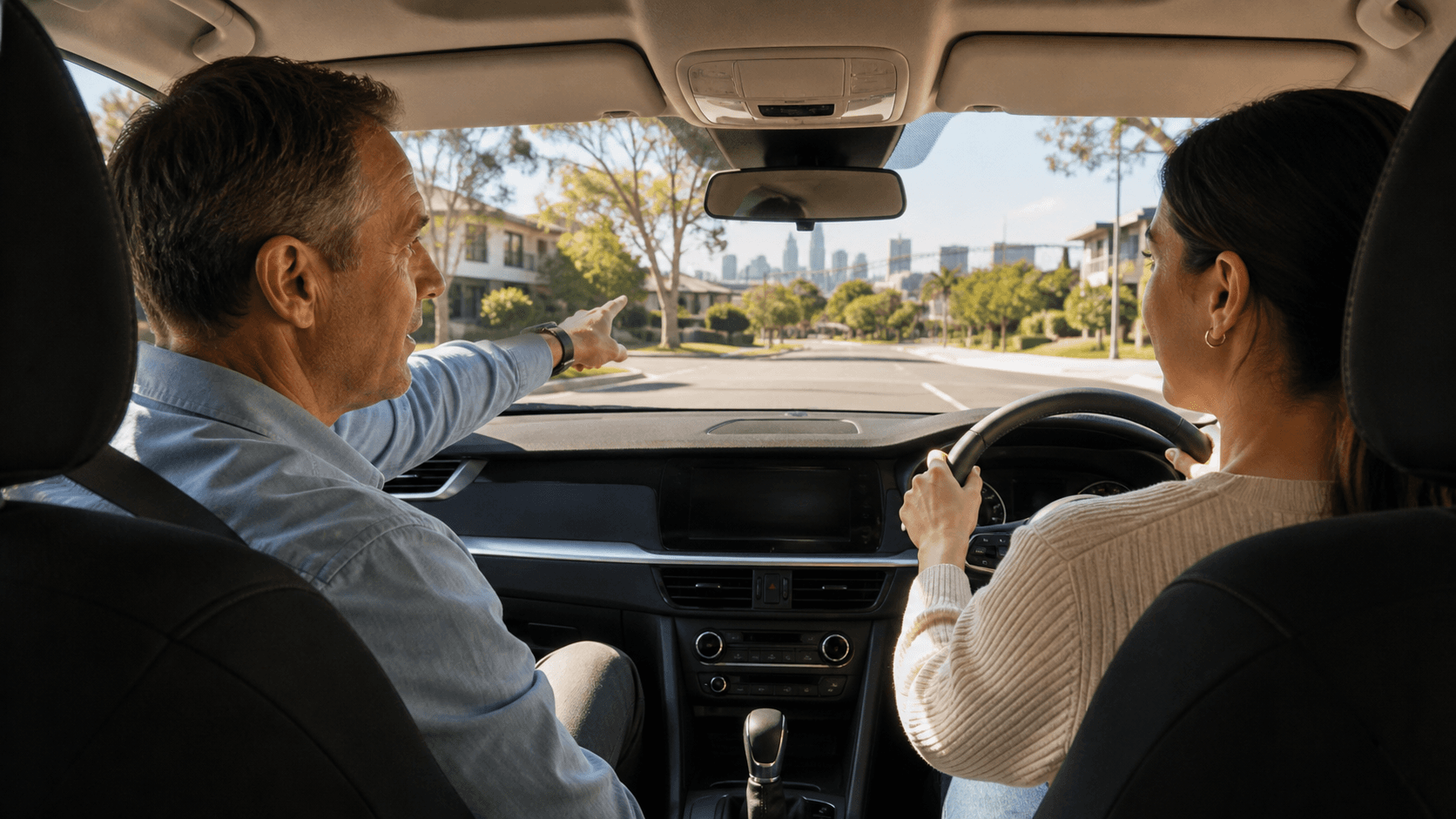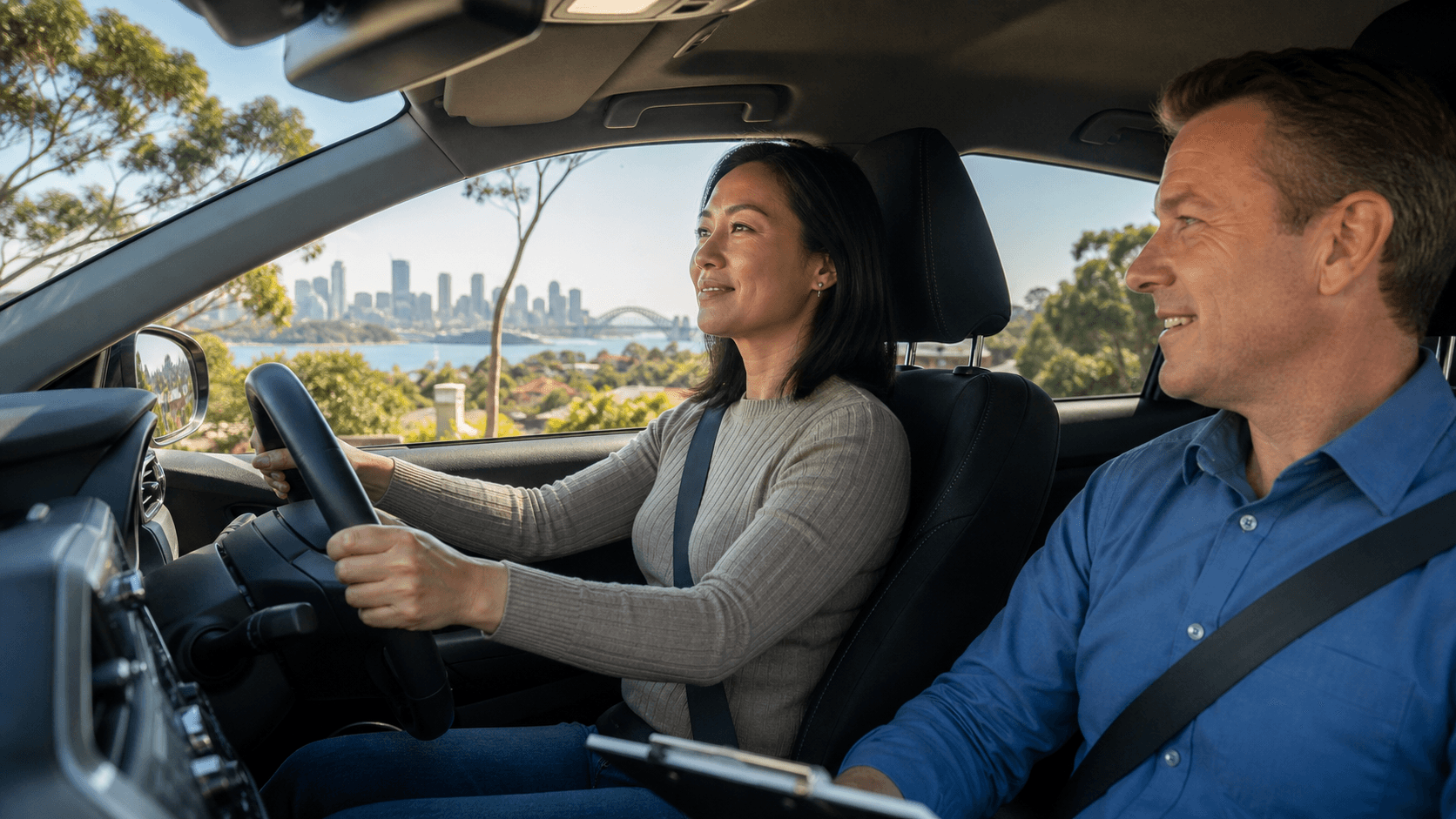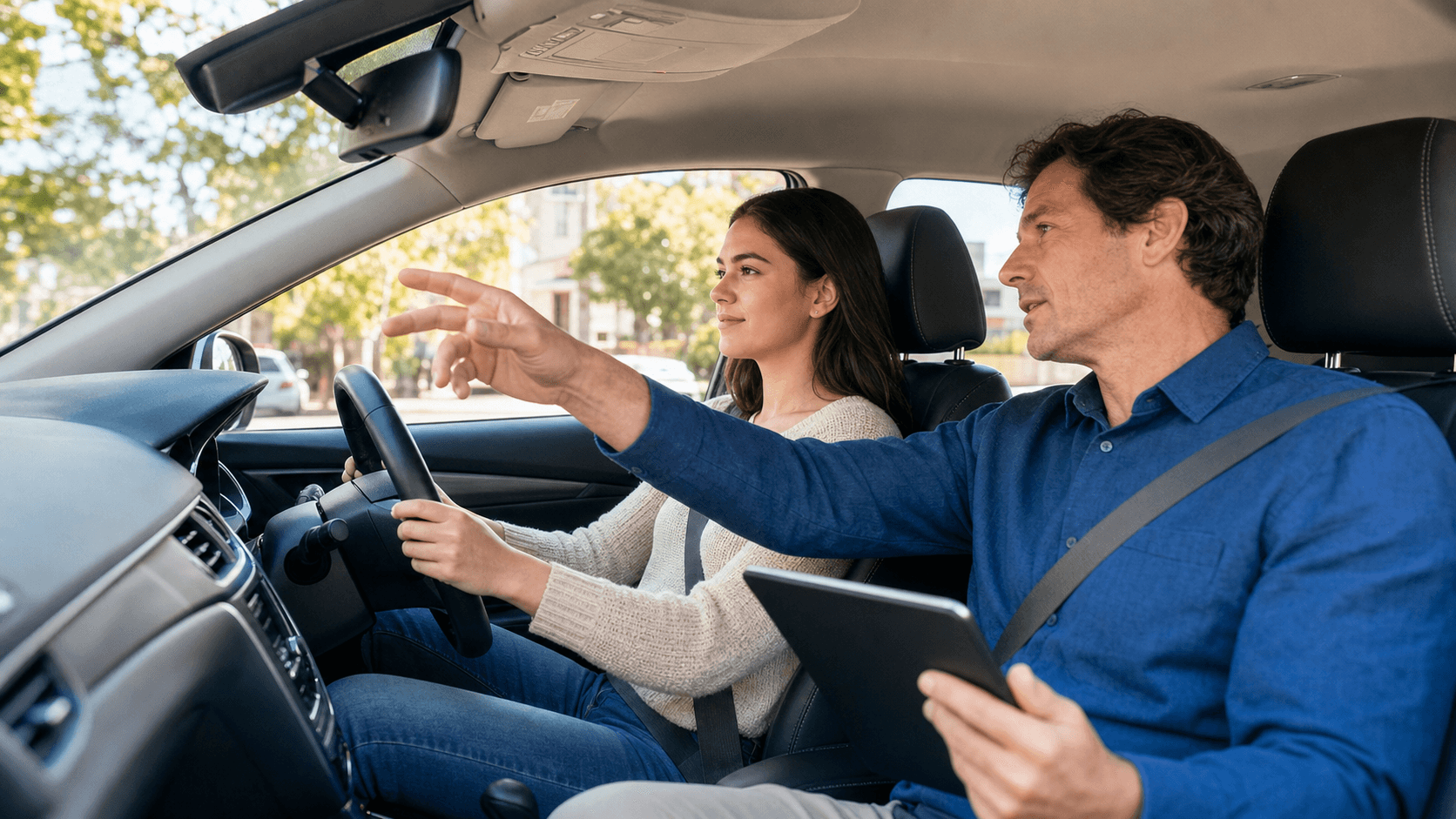
Start Your Sydney Automatic Test Journey with Confidence
Getting ready for your automatic driving test in Sydney can feel big, but it does not have to be scary. An automatic test is simply the standard NSW driving test done in an automatic car, so you do not have to worry about changing gears or stalling. That alone takes a lot of pressure off, especially in Sydney traffic with hills, roundabouts, and busy multi-lane roads.
When you understand how the NSW testing process works early on, everything feels smoother. You know what the examiner is looking for, how the day will run, and where you need more practice. That means less stress, fewer surprises, and a better chance of passing the first time.
At Prestige Driving School, we work with learner drivers across Sydney and surrounding regions every day. We offer automatic and manual lessons, test packages, and Safer Drivers Courses, all focused on helping you feel calm, prepared, and in control on test day.
How the Automatic Driving Test in Sydney Actually Works
Before you book an automatic driving test in Sydney, you need to meet the basic NSW requirements. These can change over time, so always check the latest rules. In general, you will need:
- The right age and a valid learner licence
- The required logbook hours, including night driving where needed
- To have completed the Hazard Perception Test at the right stage
On test day, plan to arrive early so you are not rushed. You will check in with your learner licence, have your logbook checked if needed, then meet your examiner for ID and safety checks. The examiner will ask a few basic pre-drive safety questions about your car, and then you will complete the drive on a set route chosen by the examiner.
A standard NSW driving test route usually includes a mix of conditions so the examiner can see how you handle different environments. It typically covers quiet back streets for basic control, busier roads with traffic lights and roundabouts, at least one hill start, and parking tasks such as a kerbside stop or reverse park. If they are near the test centre, the route may also include school zones or reduced speed areas.
Examiners are not just watching if you can move the car. They are assessing how safely you share the road with others, including observation (mirror checks and blind spot checks), road positioning (staying in your lane and using correct lane choices), speed control (keeping to limits and adjusting for conditions), gap selection when turning, merging, or crossing traffic, and decision-making with low-risk behaviour at intersections and in traffic.
In an automatic, you do not have to change gears, but you still need smooth acceleration, gentle braking, and good timing. Those skills are what show the examiner you are ready to drive on your own.
Automatic vs Manual Licence for Sydney Learners
When you pass your automatic driving test in Sydney, your P licence will show that you are approved to drive automatic cars. In NSW, that is often called a B class licence. If you do your test in a manual, you get an unrestricted licence that lets you drive both manual and automatic vehicles.
Here are some common pros of choosing an automatic test:
- No clutch control or gear changing to worry about
- Easier for many learners in heavy Sydney traffic
- Simpler hill starts and stop-start driving
- You can focus on observation and decision-making
Some possible downsides to think about:
- You usually cannot drive a manual car on your own straight after passing in an auto
- If you later want to drive a manual work vehicle, you may need extra lessons and another test
Choosing between auto and manual is a personal decision. Many learners weigh up their future plans (such as work that might use manual utes or vans), how confident they feel with coordination and multitasking, and the kind of driving they expect to do most around Sydney, like city traffic or more open roads.
We help learners weigh up these points and pick the path that feels right for them, not just for the test, but for the years after they get their P plates.
Common Mistakes in Sydney Automatic Tests and How to Avoid Them
Even in an automatic car, it is easy to pick up bad habits. Some of the most common errors in an automatic driving test in Sydney include:
- Rolling through stop signs instead of fully stopping
- Poor observation at intersections, especially not checking both ways
- Going over the speed limit in school zones or variable speed areas
- Not checking blind spots when changing lanes or merging
- Failing to indicate early enough or cancelling signals late
There are also critical error types that can lead to an instant fail, such as dangerous actions like pulling out in front of another car, ignoring red lights or stop signs, causing a near miss where another driver has to brake hard, or mounting the kerb badly or losing full control of the car.
Structured lessons help you learn how to avoid these mistakes before they become habits. We focus on clear routines for mirror and blind spot checks, practising full stops (not rolling ones), reading signs early and adjusting speed in time, and staying calm when other drivers are impatient.
We also run mock tests on real Sydney-style routes, which may include hills, multi-lane roads, and more complex roundabouts. This gives you a taste of real test pressure, so the actual day feels more familiar and less scary.
Seasonal Test Tips for a July Sydney Test Date
If your test is around July, you will be dealing with Sydney winter conditions. That often means cooler mornings, more rain, slippery roads, and shorter daylight hours. All of this affects visibility and stopping distance.
To prepare, it helps to:
- Practise driving on wet roads and learn how the car feels when braking
- Use the front and rear demisters to keep windows clear
- Use wipers early so drizzle does not turn into a blur on the windscreen
- Turn on headlights when it is grey, foggy, or close to dark
Remember, in the wet or in low light, you should:
- Increase your following distance behind other cars
- Lower your speed to match the conditions, even if you are under the limit
- Take extra care with school zones and signs, which are easier to miss when it is dark or raining
It is also smart to book some lessons at the same time of day as your test. If your test is in late afternoon, get practice with low sun angles and peak-hour traffic. That way, the conditions on test day feel normal, not new.
Smart Strategies to Prepare for an Automatic Driving Test in Sydney
Good preparation is more than just getting your hours. A simple plan might look like this:
- Early on, plan how you will build your logbook hours, including night driving
- Spread structured lessons over time, not just right before the test
- Do your Hazard Perception Test at the recommended stage, not at the last minute
- In the final weeks, focus on test-style routes and a full mock test
Make sure you practise the key situations you are most likely to face in Sydney. That includes local roads around your chosen test centre, different types of parking (especially reverse-parallel and kerbside stops), school zones and variable speed areas, and multi-lane roads and merging, which are common in Sydney.
Using a dual-control vehicle with an experienced local instructor gives you space to make mistakes safely while you learn. At Prestige Driving School, we bring local knowledge of Sydney test areas, automatic cars set up for learners, and structured lesson plans that build your skills step by step so you can move from learner to P-plater with confidence.
Book Your Sydney Driving Test With Confidence Today
If you are ready to feel confident behind the wheel, we can help you prepare for your automatic driving test in Sydney with structured lessons tailored to your experience. At Prestige Driving School, we focus on safe, real-world driving skills so you are not just test-ready but road-ready. Speak with our friendly team to plan your lessons and test preparation, or contact us with any questions before you book.